

Compare Corbett Complete Guide for Wildlife Photography Trip
Wildlife photography enthusiasts often wonder which park provides the best opportunities to capture India’s majestic tigers and diverse wildlife while planning a well-structured trip. This guide focuses on helping you compare Corbett for your photography adventures. November is the ideal month pleasant weather, active animals, and perfect natural light make it the best time for wildlife photography. If you are planning a 5-day wildlife photography trip in November on a 50k budget, both Jim Corbett tiger reserve and Ranthambore Tiger Reserve offer unforgettable experiences. Each park has a unique ecosystem, safari zones, tiger population, and photography advantages.
Jim Corbett Tiger Reserve Overview
Jim Corbett tiger reserve is India’s oldest national park, established in 1936, spanning over 520 square kilometers across the Himalayan foothills. The park is renowned for its rich biodiversity, including riverine forests, grasslands, and hilly terrains, providing photographers with a wide range of subjects.
Wildlife and Tigers
- Total tigers in Jim Corbett: Approximately 250+
- Other notable wildlife: Asian elephants, leopards, jungle cats, sambar, chital, barking deer, gharials
- Birdlife: Over 580 species, including winter migrants from Central Asia
The diverse terrain ensures photographers can capture varied wildlife behaviors from elephants at riverbanks to tigers in dense forests.
Safari Zones
- Dhikala Zone: Core area, highest tiger density; ideal for serious wildlife photographers
- Bijrani Zone: Best for day visitors; high tiger and elephant sightings
- Jhirna & Dhela Zones: Open year-round, quieter zones for off-season travel
Booking early is recommended to secure permits, especially in the Dhikala zone, which is highly popular among photographers.
Ranthambore Tiger Reserve Overview
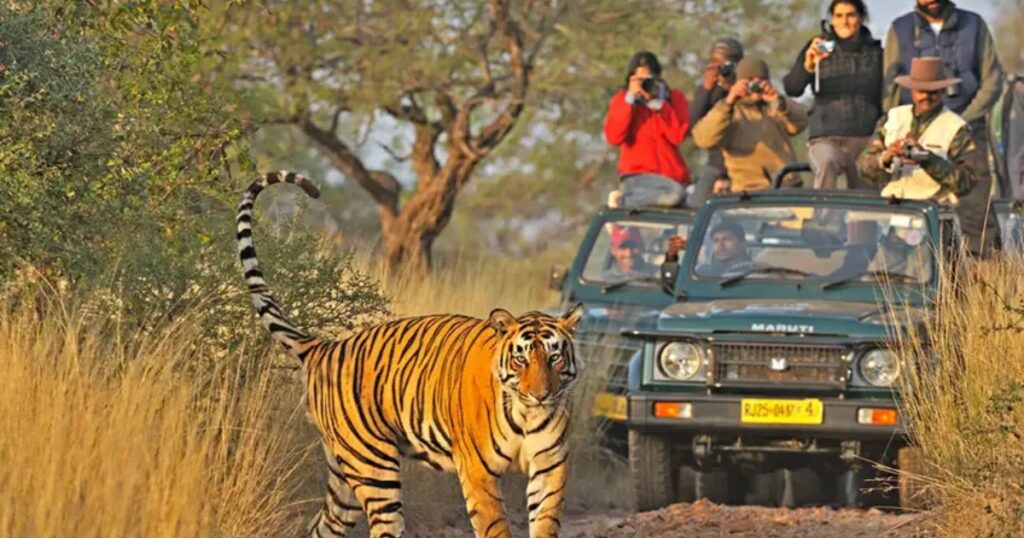
Ranthambore, located in Rajasthan, is famous for its historic fort ruins and tiger population. Covering 392 square kilometers, it hosts approximately 75-80 tigers, many habituated to vehicles, allowing for close encounters ideal for photography.
Wildlife and Photography
- Tiger sightings: 60-70% success rate during peak season
- Other wildlife: Leopards, sloth bears, sambar, nilgai, marsh crocodiles
- Birdlife: Over 300 species
- Key attractions: Places to visit in Sawai Madhopur, including Ranthambore Fort, Padam Talao, Rajbagh Talao
The open terrain and historical ruins create unique photography opportunities, especially during morning safaris.
Safari Zones
- Zones 1-5: Core zones with the highest tiger density and iconic ruins
- Zone 6: Kachida Valley, excellent for leopards
- Zones 7-10: Buffer zones, easier bookings, lower crowd density
For best results, book morning safaris in core zones and consider multiple safaris for diverse wildlife photography.
Weather and Best Time to Visit
- Jim Corbett: November temperatures 10°C–25°C; cool mornings, river fog enhances landscape photography
- Ranthambore: November temperatures 15°C–25°C; minimal foliage, excellent visibility, ideal for tiger photography
Both parks offer comfortable conditions for photography, but Ranthambore’s open terrain favors capturing clear tiger shots.
Wildlife Experience & Ethical Photography
Wildlife photography should be ethical to ensure minimal disturbance. Recommendations include:
- Maintain distance from animals
- Avoid sudden movements or feeding
- Follow park guidelines and designated routes
- Use binoculars and telephoto lenses
Ethical practices not only protect wildlife but also improve the quality of your photography experience.
Budget Planning (₹50,000)
3 Days / 2 Nights for two people:
| Expense | Jim Corbett | Ranthambore |
|---|---|---|
| Jeep Safari (per person) | ₹2,500–3,500 | ₹1,350–1,500 |
| Canter Safari (per person) | ₹1,200–1,800 | ₹815–1,500 |
| Mid-range Accommodation | ₹3,000–8,000 | ₹5,000–8,000 |
| Transportation (from Delhi) | ₹4,000–8,000 | ₹4,000–8,000 |
| Food (2 days) | ₹3,000–6,000 | ₹3,000–6,000 |
| Miscellaneous | ₹1,000–2,000 | ₹1,000–2,000 |
Both destinations fit within a ₹50,000 budget, providing options for quality accommodation, multiple safaris, and travel convenience.
Corbett vs Ranthambore
| Feature | Jim Corbett | Ranthambore |
|---|---|---|
| Tiger Population | total tigers in Jim Corbett (250+) | 75-80+ |
| Safari Zones | Dhikala, Bijrani, Jhirna, Dhela | Zones 1-10, core zones 1-5 |
| Accessibility | 6-7 hours from Delhi, train/bus | 3.5–6 hours from Jaipur/Delhi |
| Photography Highlights | Dense forests, elephants, birds | Tigers near ruins, open terrain |
| Booking Window | Opens 45 days in advance | Opens 90–120 days in advance |
Practical Tips for Photographers
- Book safaris 2/3 months in advance for high-demand zones
- Carry warm layers for mornings
- Use a 300mm telephoto lens for close wildlife shots
- Opt for eco-friendly practices: reusable bottles, minimal gear, respect wildlife
Sustainability and Eco-Friendly Travel
Wildlife tourism impacts the ecosystem. Both parks have measures for sustainability:
- Corbett: Controlled tourism, limited permits, forest rest houses
- Ranthambore: Zone allocations, regulated safari numbers, eco-friendly operators
Following these tips ensures responsible tourism while enhancing your photography experience.
Frequently Asked Questions
How many tigers are in Jim Corbett?
Approximately 250+ tigers reside in Jim Corbett tiger reserve.
What are the best places to visit in Sawai Madhopur?
Ranthambore Fort, Padam Talao, Rajbagh Talao, Kachida Valley.
How many safaris should I book?
2–3 safaris maximize chances of tiger encounters.
Is November ideal for wildlife photography?
Yes, animals are active, weather is pleasant, and migratory birds arrive.
Are online permits required?
Yes, advance booking through official portals is mandatory for both parks.
Conclusion
If your priority is tiger sightings, photography opportunities, and open terrain, Ranthambore is ideal. If you value biodiversity, immersive forest experience, and variety of wildlife, Jim Corbett tiger reserve is your choice. This guide allows you to compare Corbett and Ranthambore for a 5-day wildlife photography trip in November on a 50k budget, make informed decisions, and enjoy a memorable, ethical, and well-planned wildlife photography experience.